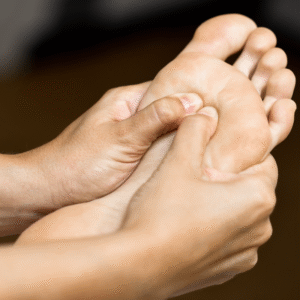
Massage therapy is a time-tested practice that involves the manipulation of soft tissues in the body, including muscles, tendons, and ligaments. While it’s commonly associated with relaxation and stress relief, research has shown that massage therapy can also be effective in reducing inflammation. Here’s how it works:
- Improved Circulation: Massage therapy increases blood flow to the massaged area, which helps remove waste products and deliver essential nutrients to the tissues. This enhanced circulation can aid in reducing inflammation.
- Release of Endorphins: Massage stimulates the release of endorphins, the body’s natural painkillers and mood elevators. This can help alleviate pain associated with inflammation and improve overall well-being.
- Relaxation and Stress Reduction: Chronic stress can contribute to inflammation. Massage therapy promotes relaxation and reduces stress, which can, in turn, help lower inflammation levels in the body.
- Lymphatic Drainage: Certain massage techniques, such as lymphatic drainage massage, can help remove excess fluid and toxins from the body, potentially reducing inflammation and swelling.
-
What Causes Inflammation?
Before delving into the ways massage therapy can help with inflammation, let’s briefly examine some common causes of inflammation:
- Infections: Bacterial, viral, and fungal infections can trigger an immune response, leading to inflammation as the body attempts to fight off the invaders.
- Injuries: Physical injuries, such as cuts, burns, and fractures, can cause localized inflammation as the body rushes to repair damaged tissues.
- Autoimmune Disorders: Conditions like rheumatoid arthritis and lupus result from the immune system mistakenly attacking healthy tissues, leading to chronic inflammation.
- Chronic Stress: Long-term stress can lead to the release of stress hormones and an inflammatory response in the body, potentially contributing to various health issues.
- Dietary Choices: Consuming a diet high in processed foods, refined sugars, and unhealthy fats can lead to chronic low-level inflammation, which is linked to conditions like obesity, diabetes, and heart disease.
- Environmental Factors: Exposure to environmental toxins, pollutants, and allergens can trigger inflammation in sensitive individuals.
- Lifestyle Factors: Lack of exercise, poor sleep, and excessive alcohol consumption can all contribute to chronic inflammation.
Muscle Relaxation: Tight muscles can contribute to inflammation and pain. Massage therapy can relax and lengthen muscles, reducing tension and discomfort.
Types of Massage for Inflammation
Several massage techniques are particularly effective for addressing inflammation:
- Swedish Massage: This gentle and relaxing massage technique can improve circulation and promote overall relaxation, helping reduce stress-related inflammation.
- Deep Tissue Massage: Deep tissue massage targets specific muscles and connective tissues to release tension and improve circulation. It can be beneficial for addressing chronic inflammation and pain.
- Hot Stone Massage: The heat from hot stones can help relax muscles and improve blood flow, which may aid in reducing inflammation and promoting healing.
- Aromatherapy Massage: Essential oils with anti-inflammatory properties, such as lavender or chamomile, can be incorporated into the massage for added benefits.
Incorporating Massage into Your Wellness Routine
If you’re dealing with chronic inflammation or simply want to enhance your overall well-being, consider adding regular massage therapy sessions to your wellness routine. Consult with a qualified massage therapist who can tailor the treatment to your specific needs and address any health concerns you may have.
Remember that while massage therapy can be a valuable tool in managing inflammation, it should not replace medical treatment when necessary. Always consult with your healthcare provider to develop a comprehensive plan for managing inflammation and maintaining optimal health.