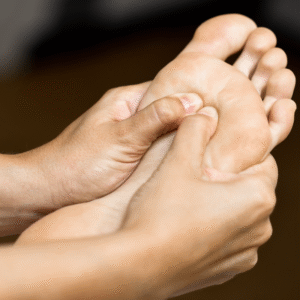
In a world where stress and anxiety have become almost commonplace, finding effective ways to manage our mental well-being is crucial. While traditional methods like counseling and medication have their place, there’s another approach that’s gaining recognition for its holistic benefits: massage therapy. Beyond its physical advantages, massage has been shown to play a significant role in promoting mental health and emotional well-being. In this article, we’ll delve into the powerful connection between massage and mental health, exploring how this ancient practice can provide a much-needed respite for our minds in today’s fast-paced world.
The Mind-Body Connection: It’s no secret that the mind and body are closely intertwined. What affects one inevitably influences the other. Massage therapy leverages this connection to create a profound impact on both mental and physical aspects of our well-being. As the body relaxes under the skilled hands of a massage therapist, a cascade of positive effects is set in motion.
- Stress Reduction and Cortisol Regulation: Massage triggers the release of endorphins, often referred to as “feel-good” hormones, which help combat stress and elevate mood. Simultaneously, massage helps regulate cortisol, the body’s primary stress hormone. Lower cortisol levels contribute to reduced anxiety and a calmer state of mind.
- Anxiety Alleviation: Massage promotes relaxation by slowing down the heart rate and inducing deep breathing. This physical response triggers the parasympathetic nervous system, which counteracts the “fight or flight” response associated with anxiety. The result is a sense of tranquility and reduced anxious thoughts.
- Enhanced Sleep Quality: Improved sleep is a cornerstone of mental well-being. Massage therapy can help individuals fall asleep faster, achieve deeper sleep cycles, and wake up feeling more refreshed. The release of tension and increased serotonin production aid in establishing healthier sleep patterns.
- Depression Management: Studies suggest that massage can help alleviate symptoms of depression by increasing the production of neurotransmitters like serotonin and dopamine. These chemicals play a vital role in regulating mood and emotions.
Mindfulness and Mind-Body Awareness: Beyond its physiological effects, massage fosters mindfulness and a greater sense of connection with one’s body. During a massage session, individuals are encouraged to be present, focusing their attention on the sensations and experiences in the moment. This mindfulness practice can extend beyond the massage table, helping individuals manage racing thoughts and cultivate a sense of inner calm.
Empowerment Through Self-Care: The act of seeking out and committing to regular massage sessions can empower individuals to take an active role in their mental well-being. Self-care rituals like massage are an acknowledgment of one’s need for relaxation and nurturing, fostering a positive self-image and a sense of worthiness.
Conclusion: Massage therapy is more than just a luxurious treat for the body—it’s a potent tool for promoting mental health and emotional balance. As science continues to uncover the intricate connections between the mind and body, massage stands out as a holistic approach that supports both aspects of our well-being. Whether you’re seeking relief from stress, anxiety, or simply a respite from the demands of daily life, massage therapy offers a sanctuary where healing touch meets mental rejuvenation. Prioritizing your mental health has never felt so indulgent or so essential.